
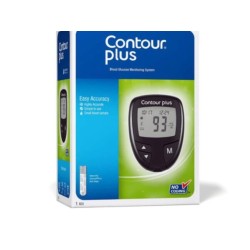
Contour Plus Meter Glucometer — available at DiabetesStore.com.bd
As the cool, dry months settle across Bangladesh — from late November through February — many people welcome the relief from heat and humidity. But for those living with diabetes, winter brings a quiet challenge that often goes unnoticed: the eyes need a little extra care during this season.
You do not need to be an expert to protect your vision. Small, consistent daily habits can go a long way. This guide walks you through why winter matters for your eyes, what simple steps you can take at home, and when to seek professional support.
Why Winter Calls for Extra Eye Attention
Winter in Bangladesh is generally mild compared to many other countries, but it still brings drier air, cooler temperatures, and longer periods indoors — sometimes near fans or heaters. These conditions can affect eye comfort and health for anyone, but people with diabetes may feel these effects more strongly.
How Blood Sugar Levels Can Affect Your Eyes
When blood sugar stays high over time, it can affect the tiny blood vessels throughout the body — including the ones inside your eyes. The retina (the light-sensitive layer at the back of your eye) contains many of these small vessels. Keeping blood sugar within a healthy range, as guided by your doctor, is one of the most important things you can do for long-term eye health.
High blood sugar can also temporarily change the shape of the lens inside your eye, which may cause blurry vision. This blurriness often comes and goes with blood sugar fluctuations. It is not always a sign of permanent damage, but it is a signal worth paying attention to.
What Changes in Winter That Matters for Eyes
During winter in Bangladesh, a few environmental shifts can quietly affect your eye health:
- Drier air: Cool, dry air — both outdoors and indoors from fans — reduces the moisture on the surface of your eyes, leading to dryness, irritation, or a gritty feeling.
- Bright winter sun: On clear winter days, sunlight can feel sharper. UV exposure remains a year-round concern for eye health.
- More screen time: Cooler weather often means more time indoors, which can mean more time in front of phones, TVs, and computers. Extended screen use reduces how often we blink, which dries the eyes out faster.
- Morning fog: In some parts of Bangladesh, winter mornings bring fog and limited visibility. Driving or moving around in low light can strain the eyes.
Simple Daily Habits to Protect Your Eyes This Winter
The good news is that most protective eye care habits are free, easy, and can become part of your daily routine without much effort.
Keep Indoor Air From Getting Too Dry
If you use a ceiling fan or an air cooler indoors during winter nights, try positioning it so it does not blow directly onto your face. If your eyes feel dry or scratchy when you wake up, this could be the cause. Drinking enough water throughout the day also helps keep your eyes — and the rest of your body — hydrated from the inside.
If dry eyes bother you often, speak with your pharmacist or eye doctor about whether lubricating eye drops (often called artificial tears) might be suitable for you. Avoid rubbing your eyes, as this can worsen irritation and introduce bacteria.
Stay Consistent With Blood Sugar Monitoring
Consistent blood sugar monitoring at home is one of the most empowering habits for anyone with diabetes. Knowing your numbers helps you and your doctor make better decisions about your care. During winter, routines can shift — festivals, travel, changes in food — so it is especially helpful to stay on top of your readings.
A reliable glucometer and glucose test strips make home monitoring straightforward. Regular checks help you spot unusual patterns and discuss them with your healthcare provider before they become bigger concerns.
Protect Your Eyes From the Outdoors
On sunny winter days, wearing good-quality sunglasses that block UV rays is a smart, simple habit. UV light does not disappear in winter — it can still reach your eyes even on cooler days. Look for sunglasses labelled UV400 or with 100% UV protection. This is especially relevant if you spend time outdoors in the morning or afternoon.
If you wear glasses for vision correction, ask your optician about lenses with UV-protective coatings when you are due for your next pair.
Eat Eye-Friendly Foods Available in Bangladesh
Winter in Bangladesh brings a wonderful variety of fresh vegetables to the market. Many of these are naturally good for eye health. Foods rich in vitamins A, C, and E, as well as lutein and zinc, support overall eye wellness.
Consider adding more of these to your meals during the winter season:
- Leafy greens: Spinach (palak shak), mustard greens, and fenugreek leaves are plentiful in winter and contain lutein and zeaxanthin — nutrients found in the retina.
- Carrots and sweet pumpkin: Both are good sources of beta-carotene, which the body converts to vitamin A — important for night vision.
- Amla (Indian gooseberry): Widely available and very high in vitamin C, which supports eye health.
- Eggs: Contain lutein and zeaxanthin in a form the body absorbs well.
- Fish: Rich in omega-3 fatty acids, which may help reduce dry eye discomfort.
Always discuss any major changes to your diet with your doctor or dietitian, especially when managing diabetes.
Warning Signs You Should Never Ignore
While most winter eye discomfort is mild, some symptoms need prompt professional attention. Contact your eye doctor or healthcare provider if you notice:
- Sudden blurry or distorted vision that does not clear up
- Seeing flashes of light or floating spots (floaters) that appear suddenly
- A dark shadow or curtain-like area in your field of vision
- Eye pain or redness that does not improve
- Double vision
These symptoms are not necessarily linked to winter, but they are signs that something may need attention. Early care is always better than waiting.
Regular Eye Check-ups: A Small Step That Makes a Big Difference
An annual dilated eye exam by a qualified eye specialist (ophthalmologist) is one of the most recommended preventive steps for people with diabetes. During this exam, the doctor uses special drops to widen (dilate) the pupil so they can see the retina clearly. This allows them to spot any early changes that you might not yet feel or notice yourself.
Many people skip eye check-ups because their vision feels fine — but some changes happen silently before any noticeable symptoms appear. Making this appointment a regular part of your year-round routine is one of the most caring things you can do for yourself.
If you are looking for ways to manage your overall diabetes care at home, our diabetes testing and monitoring products can help you stay informed between doctor visits.
Supporting Your Eyes Beyond the Season
Winter is a great time to start habits that will serve your eyes well all year long. Here is a quick recap of what helps:
- Monitor your blood sugar regularly — consistent readings help you and your doctor keep things on track.
- Stay hydrated — water is good for your eyes and your whole body.
- Eat colourful vegetables — Bangladesh's winter produce is naturally eye-friendly.
- Wear UV-protective sunglasses outdoors — even in cooler months.
- Rest your eyes from screens — the 20-20-20 rule is simple: every 20 minutes, look at something 20 feet away for 20 seconds.
- Schedule your annual eye exam — do not skip it, even if you feel fine.
- Talk to your pharmacist — if dry eyes bother you, ask about suitable lubricating drops.
For those managing diabetes daily, having the right supplies on hand makes consistent care easier. Explore our range of glucose test strips to make sure you never run short of what you need for home monitoring.
Your eyes are with you for life. A little extra attention this winter — and every season — can help keep them healthy and your vision clear for years to come.
Frequently Asked Questions
Can dry eyes in winter be related to diabetes?
Dry eyes are common in winter due to lower humidity and indoor fans. People with diabetes may experience dry eyes more often, as high blood sugar over time can affect the nerves and glands around the eyes. If dry eyes bother you regularly, speak with your doctor or pharmacist about appropriate care options.
How often should someone with diabetes get their eyes checked?
Most eye specialists recommend a dilated eye exam at least once a year for people with diabetes. Your doctor may suggest more frequent visits depending on your individual situation. Always follow your healthcare provider's advice on scheduling.
Does blurry vision always mean something serious?
Not always. Blurry vision can sometimes be temporary and linked to blood sugar fluctuations. However, sudden or persistent blurry vision should always be checked by a professional. Never ignore changes in your vision — early attention is always better.
Is it safe to use over-the-counter lubricating eye drops if I have diabetes?
Many lubricating eye drops (artificial tears) are widely used and generally well tolerated. However, it is always best to check with your pharmacist or eye doctor before starting any new product, especially if you have diabetes or other health conditions.
Can eating certain foods really help protect my eyes?
A balanced diet rich in vitamins A, C, and E, plus nutrients like lutein and zinc, supports overall eye wellness. Bangladesh's winter vegetables — like spinach, carrots, and amla — are naturally good choices. Diet is one part of a broader approach that includes blood sugar management and regular eye exams.
What is the 20-20-20 rule and does it really help?
The 20-20-20 rule is a simple habit to reduce eye strain from screens: every 20 minutes, look at something about 20 feet (6 metres) away for at least 20 seconds. It helps your eye muscles relax. It does not replace a proper eye exam, but it can reduce discomfort during long screen sessions.
Disclaimer: This article is for general information purposes only and does not constitute medical advice. Individual health needs vary. Always consult your doctor, eye specialist, or pharmacist for guidance specific to your situation.
]]>